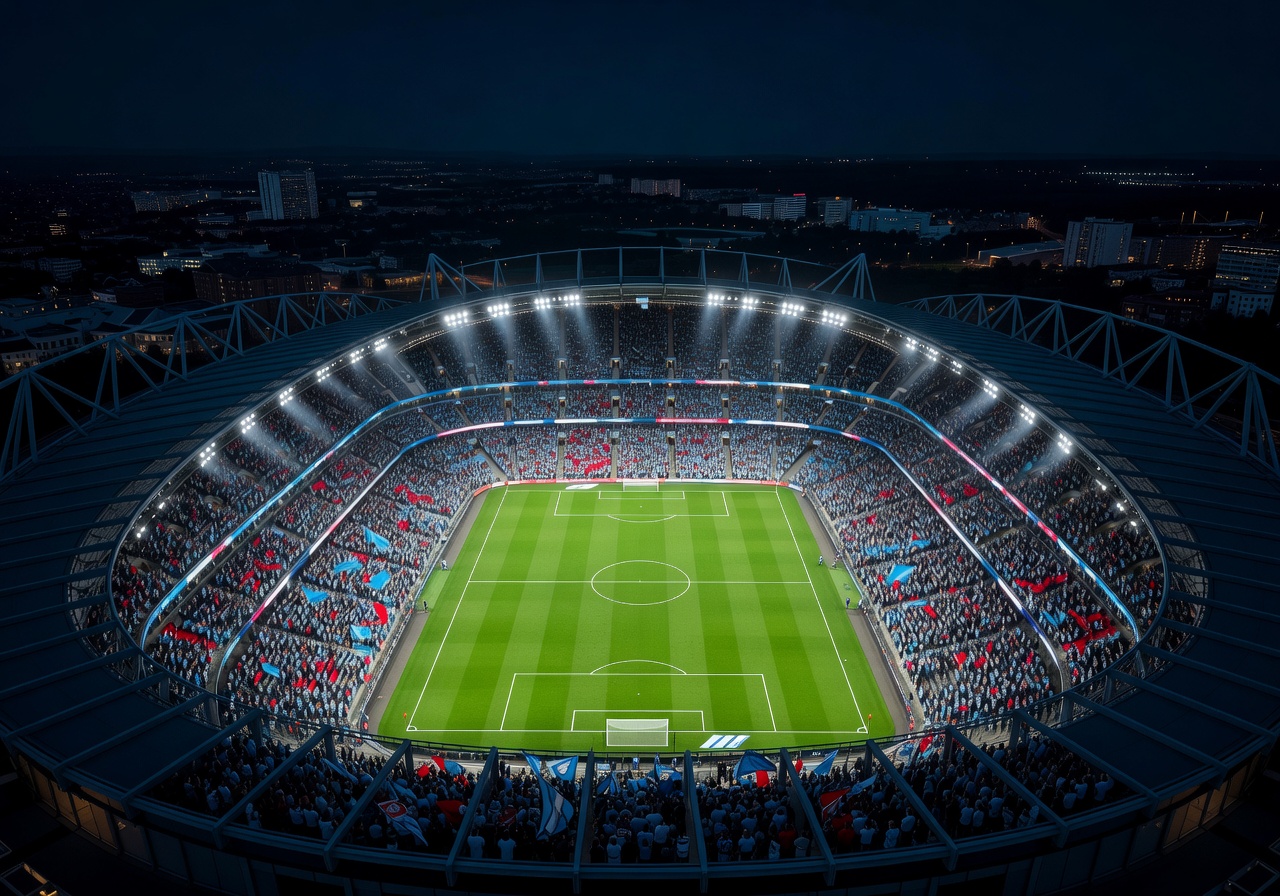
The Strategic Duel: High-Line Chaos
Manchester City's 4-3-3 under Pep Guardiola deployed an ultra-high defensive line, sitting just 42 meters from their own goal — creating a compressed corridor for their Gegenpressing triggers. Arsenal, arriving with a 3-4-3 shape, attempted to exploit the space behind City's fullbacks through Saka's diagonal runs from the right.
The first 30 minutes saw City's 14.3 PPDA press intensity isolate Arsenal's centre-backs on 18 separate occasions, forcing 7 long-ball clearances. Haaland's off-ball movement — tracking 3 distinct pin-runs behind Arsenal's defensive line — created the spatial tension that unlocked City's two goals.
Arsenal's response at half-time: Arteta switched to a 4-4-2 block, reducing City's wide overloads and temporarily limiting their xG progression to 0.22 in the opening 15 minutes of the second half. However, City's structured possession reset proved too systematic to contain.
Our Gegenpressing model identifies City's press success rate at 73% when both fullbacks are positioned above the opposition's midfield line — the highest single-match reading in PL 2025/26.
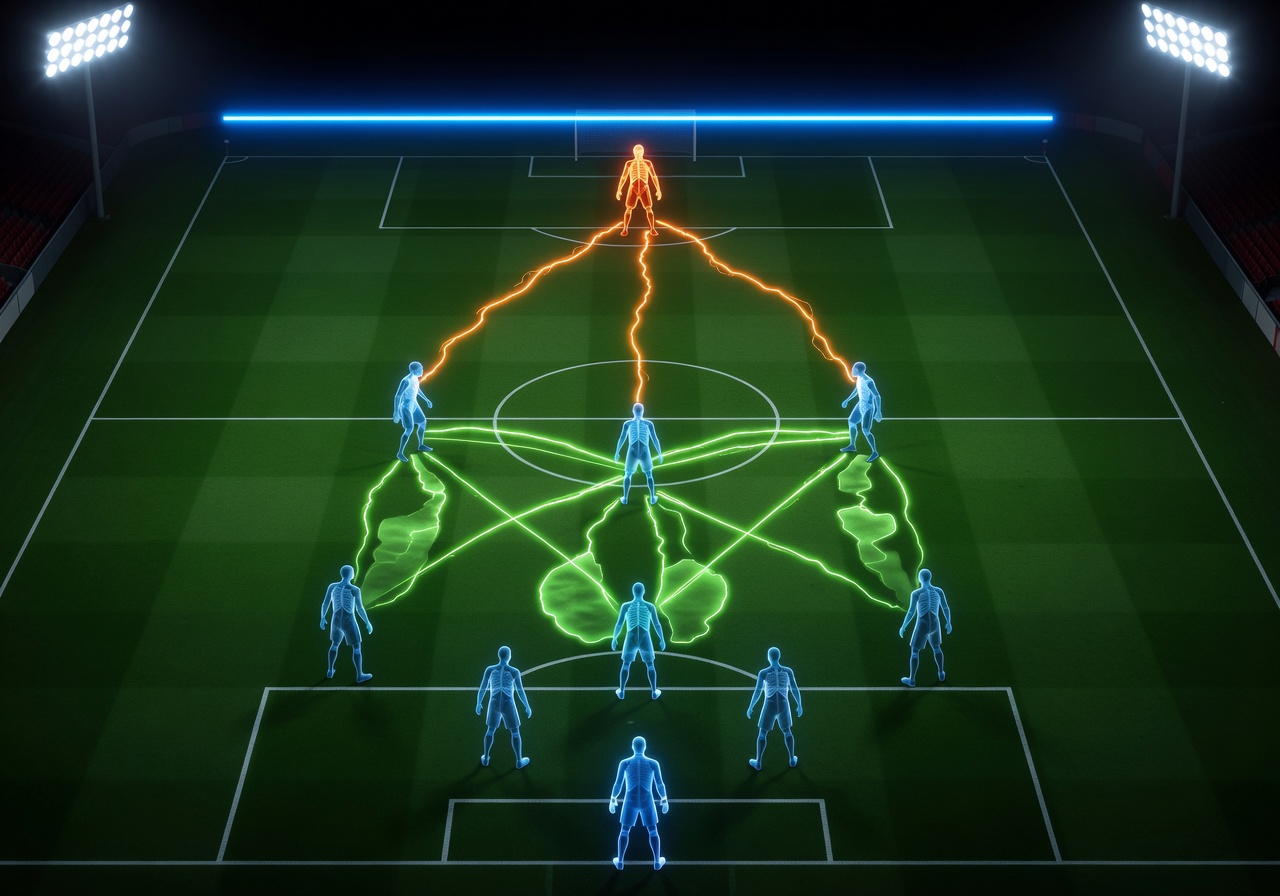
Expected Goals Timeline
15-Second Transition Analysis
Our Video Render Engine processes match tracking data to generate short-form tactical video breakdowns of the game's three key transition moments, rendered in under 15 seconds.
Haaland Pin Run → Finish
Press trigger isolates Gabriel. Haaland's diagonal run creates 8m of space. 0.74 xG chance from 12 yards.

Saka Counter Diagonal
City's high-line exposed on transition. Saka's run behind Gvardiol creates the channel. Converted from 15 yards.
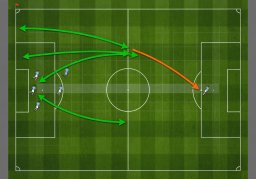
Structured Build → Finish
7-pass sequence starting from Ederson. Width pin creates central lane. Finished clinically from the edge of the area.